Helping Agencies Meet Critical Deliverables of the
US Federal Data Center Consolidation Initiative
On February 26, 2010 the Federal CIO of the US Government issued a memorandum mandating a Federal Data Center Consolidation Initiative to reduce costs, promote Green IT, and increase security and efficiency. An emphasis has been placed on leveraging “game changing” technologies, including virtualization and cloud computing, to achieve these goals.
CiRBA DCI provides the fastest and safest path to a highly efficient data center. CiRBA’s comprehensive analytics directly support the Federal Data Center Consolidation Initiative by enabling agencies to empirically discover asset inventories across business lines, platforms and applications; determine the best consolidation strategies technologies and infrastructure options given the constraints of a particular environment; determine the optimal workload placements, capacity requirements and resource allocations; and monitor the environment to track progress and managing efficiency on an ongoing basis.
CiRBA supports each of the deliverables and phases of the initiative:
Asset Inventory and Baseline
CiRBA provides flexible reporting options so you can present the appropriate amount of detail for each audience. Whether it’s detailed inventories, remediation plans, actual P2V transfers and proposed cluster designs, management summaries for executives, or reports scrubbed of sensitive information for meeting centralized reporting requirements, CiRBA has an option. CiRBA’s architecture is designed for centralized and distributed deployment supporting multiple locations and data collection options within an agency, and also enables output of “scrubbed” reports and consolidation plans to automate reporting and progress tracking to a centralized location.

Data Center Consolidation Planning
Consolidation planning can be a daunting task. All agencies are required to provide a data center consolidation plan, including the identification of potential areas of consolidation, opportunities for virtualization and cloud computing alternatives, and a roadmap for achieving targets related to infrastructure utilization, energy efficiency, and cost control.
Whether analyzing for VMware, Citrix, Microsoft’s Hyper-V, Zones, IBM LPARS and WPARS or mainframes; or even comparing internal vs. external cloud alternatives, CiRBA’s purpose-built software enables organizations to successfully plan for virtualization and quickly determine the lowest risk and maximum impact transformation. By leveraging CiRBA’s template-driven analysis, agencies can make the right strategic, technology, and purchase decisions:
- Qualify consolidation candidates by looking for anomalous configurations that may hinder / prevent virtualization to reduce risk and determine appropriate platforms for a given workload
- Profile workloads to uncover dangerously dangerous context switching levels or suspicious CPU utilization levels, runaway processes, high I/O, or other profiles that could be problematic
- Minimize risk through fit for purpose design
- Avoid over-provisioning hardware and software
- Establish tiered services according to SLA requirements to minimize costs
- Optimize the placements of workloads and virtual machines
- Determine the power saving implications of each scenario
Ongoing Monitoring of Consolidation Initiatives
As part of the Federal initiative, agencies are required to update data center asset inventories and report on the progress of data center consolidation efforts. Unlike methods that require manually intensive data collection or analysis, CiRBA analyses can be continually refreshed. Use of CiRBA during the implementation of consolidation initiatives ensures that plans reflect the current state of the environment and accommodate any changes that naturally occur during the course of operations. CiRBA provides a clear way of tracking and reporting on the progress of consolidation initiatives against plans through personalized views of the server environment. CiRBA also enables models used to plan the environment to be easily updated and refreshed to accommodate any learnings for continuous improvement as a consolidation initiative progresses.
Efficiency Management within Consolidated Infrastructure
Establishing efficient, consolidated infrastructure is a complex task, but equally complex is maintaining efficiency within these dynamic environments. CiRBA is leveraged by organizations to continually assess the efficiency within an environment as changes occur due to the normal course of operations. CiRBA terms this discipline Efficiency Management, which is the continuous right-sizing of IT environments through policy-driven analyses of detailed configuration, business, and utilization data. This ensures workloads have enough capacity to satisfy their needs, while preventing them from having too much.
CiRBA’s focus is providing the optimal answers so that better decisions are made in the management of workload placements and capacity requirements and allocations. Infrastructure that was once optimally designed will become inefficient or risk becoming overloaded over time. By continually applying CiRBA to an environment, risk and efficiency optimally balanced given the goals and parameters within each unique environment.
 |
 |
 |
| Click image to enlarge |
Click image to enlarge |
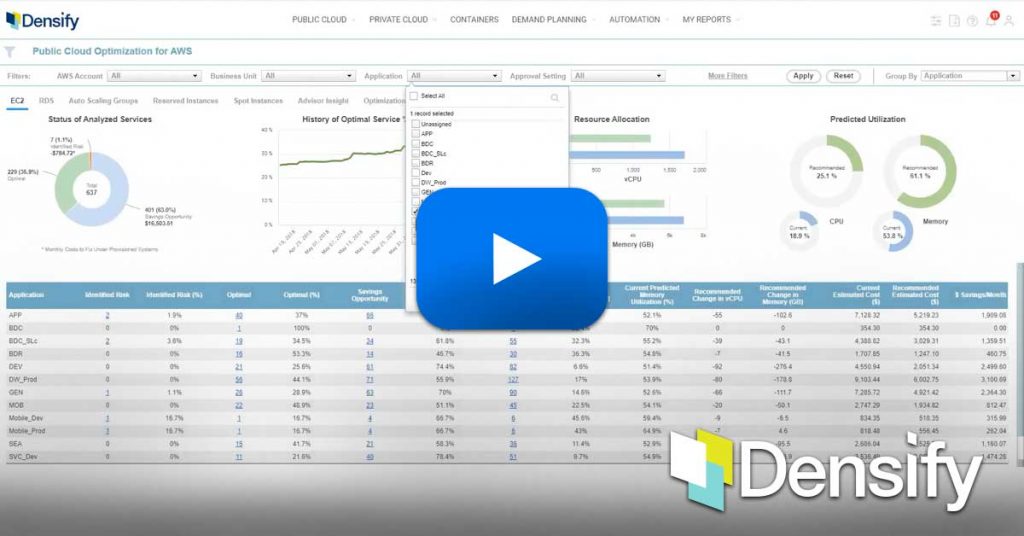
| CiRBA provides customizable views of your environment so you can quickly and easily view asset inventories according to required parameters such as platform, department, or geographic location. |
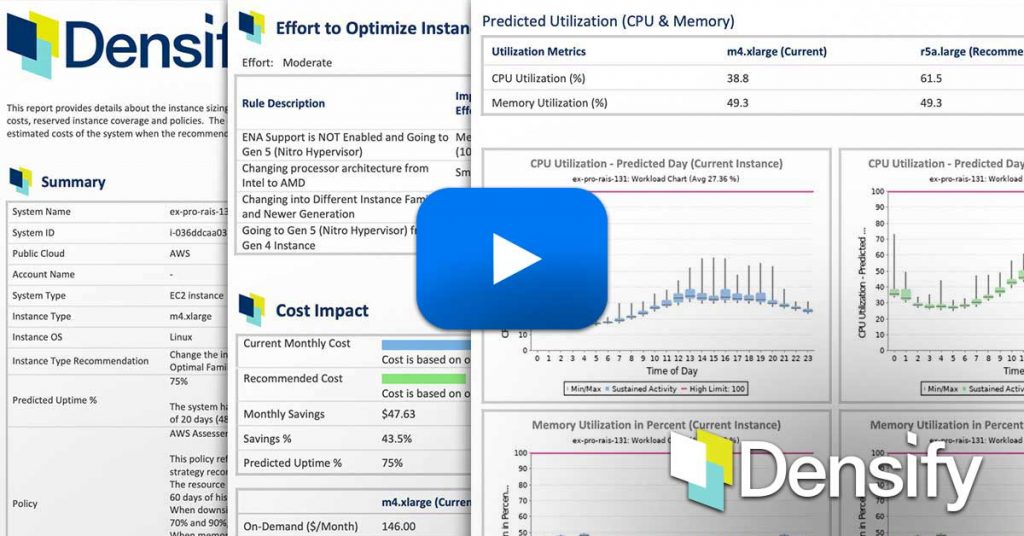
CiRBA provides summary level dashboards and detailed reports providing workload placements and resource allocations to satisfy the information needs of a broad spectrum of stakeholders. |
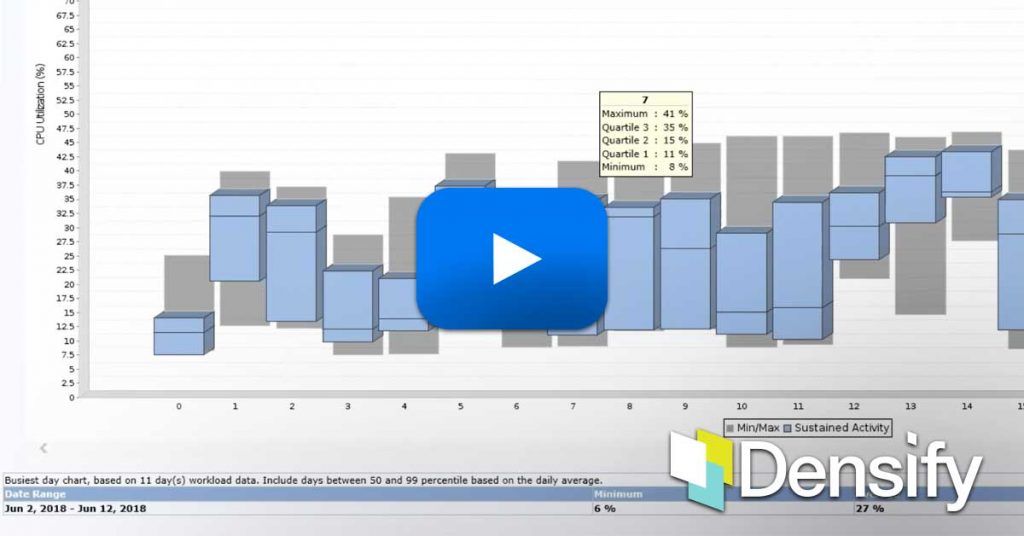
CiRBA’s analytics enable you to monitor capacity health, predict shortfalls, see where new workloads will fit into existing infrastructure, and help you rebalance environments to maximize efficiency on an ongoing basis. |
|